
Transforming Communities: The Power of Adaptive Reuse in Historic and Industrial Buildings
- broadaxedigital

- Jun 3
- 4 min read
Communities often face challenges when it comes to balancing growth with preserving their identity. Many towns and cities have buildings that once served vital roles but now stand unused or underutilized. These structures hold more than bricks and mortar; they carry stories, history, and infrastructure that can be repurposed to meet modern needs. Adaptive reuse of historic and industrial buildings offers a practical way to strengthen community identity while providing essential infrastructure without the need for new construction.
This post explores how communities can transform three tiers of buildings—commercial, historic, and coal mine surface buildings—into valuable assets. We will discuss the benefits, challenges, and practical considerations involved in adaptive reuse, focusing on preserving community character and leveraging existing infrastructure.
Three Building Tiers for Adaptive Reuse
Communities can approach adaptive reuse by focusing on three distinct building tiers. Each tier offers unique opportunities and challenges.
1. Commercial Buildings (Phase 1)
Commercial buildings such as former banks, post offices, and closed schools often sit at the heart of towns. These buildings were designed for public use and are already wired and connected to utilities. Their central locations make them ideal candidates for reuse as community centers, offices, or mixed-use spaces.
Advantages: Existing infrastructure, central location, and community familiarity.
Challenges: May require updates to meet current building codes or accessibility standards.
2. Historic Buildings (Phase 2)
Historic buildings carry the cultural identity of a community. These include structures like old banks, post offices, and schools that have closed but remain intact. They are already wired and connected, reducing the need for costly infrastructure installation.
Advantages: Strong community attachment, architectural character, and existing utilities.
Challenges: Preservation requirements may limit modifications; environmental screening may be necessary.
3. Coal Mine Surface Buildings (Phase 2 Parallel)
Coal mine surface buildings present a unique opportunity. Through programs like the West Virginia Abandoned Mine Lands (AML) initiative, communities can acquire these buildings at zero cost. These structures come with built-in 480V three-phase power, which is rare and valuable for industrial or infrastructure uses. Importantly, these buildings do not require State Historic Preservation Office (SHPO) review, simplifying the reuse process.
Advantages: No acquisition cost, existing high-voltage power, no SHPO review.
Challenges: Need geotechnical screening for subsidence risk; environmental contamination must be assessed.
Historic Buildings: Already Built, Already Wired
Historic buildings offer a strong foundation for adaptive reuse because they come with existing infrastructure. Many former banks, post offices, and schools were built to last and designed with robust wiring and utilities. This reduces the need for expensive upgrades and accelerates the timeline for repurposing.
Communities can transform these buildings into:
Community centers or libraries
Small business incubators
Educational facilities or training centers
Affordable housing units
The key is to maintain the building’s character while updating it for modern use. This approach preserves the community’s identity and reduces waste from demolition.
Coal Mine Surface Buildings: Infrastructure Ready for New Use
Coal mine surface buildings are often overlooked but hold great potential. The West Virginia AML program allows communities to acquire these buildings without purchase costs. They come equipped with 480V three-phase power, which is ideal for industrial equipment, data centers, or energy infrastructure.
Because these buildings do not require SHPO review, communities can move quickly to adapt them. However, two critical screenings are necessary:
Subsidence Risk Screening: Mining activities can cause ground subsidence. Geotechnical screening helps identify buildings located above room-and-pillar mines at depths greater than 200 feet, which are the safest candidates for reuse.
Environmental Screening: Residual contamination from mining operations must be assessed and managed to ensure safety.
By repurposing these buildings, communities can host "sovereign infrastructure"—facilities that support essential services and economic development without new construction.
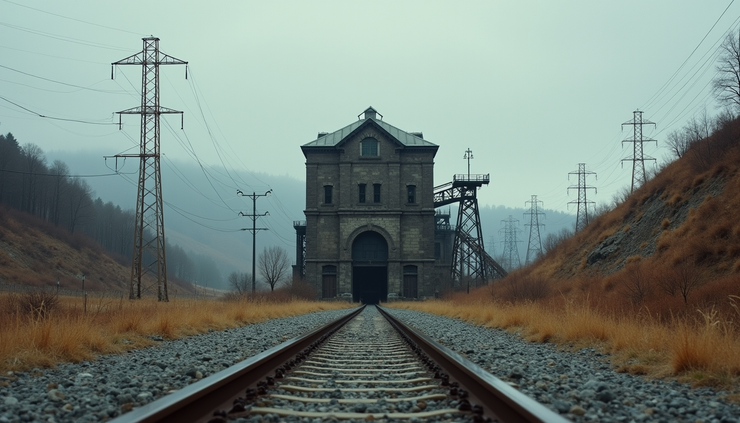
Historic coal mine surface buildings offer ready-made infrastructure for community projects.
Managing Subsidence Risk
Subsidence occurs when underground mining causes the ground above to sink or collapse. This risk varies depending on mining methods and depth. Room-and-pillar mining at depths greater than 200 feet generally provides stable ground conditions suitable for building reuse.
Before repurposing any coal mine surface building, communities should:
Conduct geotechnical surveys to assess ground stability.
Review mining records to understand the mining method and depth.
Engage with experts to develop mitigation plans if necessary.
This careful approach ensures safety and longevity for adaptive reuse projects.
Environmental Screening for Residual Contamination
Mining and industrial activities can leave behind contaminants such as heavy metals, hydrocarbons, or asbestos. Environmental screening is essential to identify any hazards before reuse.
Steps include:
Soil and groundwater testing around the building site.
Inspection of building materials for hazardous substances.
Development of remediation plans if contamination is found.
Addressing environmental concerns early protects public health and supports regulatory compliance.
The Narrative of Adaptive Reuse: From Coal to Community
There is a powerful story in transforming buildings that once loaded coal into hubs of community infrastructure. These buildings carry the legacy of hard work and industry. By repurposing them, communities honor their past while building a sustainable future.
This narrative connects residents to their heritage and creates pride in local development. It also demonstrates practical stewardship of resources by avoiding new construction and making use of existing assets.
Practical Benefits of Adaptive Reuse
Adaptive reuse offers several practical advantages:
Cost Savings: Using existing buildings reduces acquisition and construction costs.
Speed: Projects can move faster without new construction delays.
Sustainability: Reuse minimizes waste and environmental impact.
Community Identity: Preserving historic and industrial buildings maintains a sense of place.
Infrastructure Ready: Existing wiring and power systems support modern uses.
Communities that embrace adaptive reuse can revitalize neighborhoods, attract investment, and provide needed services efficiently.
Examples of Successful Adaptive Reuse
A former bank in a small town converted into a community technology hub, leveraging existing wiring and central location.
A closed school transformed into affordable housing units, preserving historic architecture while meeting housing needs.
Coal mine surface buildings repurposed as data centers powered by existing three-phase electrical systems, supporting local economic development.
These examples show how adaptive reuse can meet diverse community goals without new construction.
No New Construction: A Sustainable Approach
Avoiding new construction reduces environmental impact and preserves community character. Adaptive reuse respects the original design and materials, reducing demolition waste and the carbon footprint of building new structures.
This approach aligns with sustainable development goals and supports long-term community resilience.
Conclusion: Building Stronger Communities Through Adaptive Reuse
Adaptive reuse of commercial, historic, and coal mine surface buildings offers communities a practical path to strengthen identity and infrastructure. By focusing on existing assets, towns can save time and money, reduce environmental impact, and honor their heritage.


Comments